Skip to content

Search

BKL

Legumes: Protein Values per 100 Grams

Lentils, chickpeas, kidney beans, cranberry beans, black-eyed peas, peas, broad beans. Source of plant-based protein and fiber. Provides a complete amino acid profile when consumed with grains. Recipes where legumes are the main component are assigned.

Legumes: Protein Values per 100 Grams
All values are given for 100 grams of cooked/ready-to-eat portions. Source: TÜBER 2022 and USDA FoodData Central.
Food Protein Calories Carbohydrates Fat
1Lentils (Dry) 25,8 g 353 kcal 60 g 1,1 g
2Chickpeas (Dry) 19,3 g 364 kcal 61 g 6 g
3Fava Beans (Cooked) 7,6 g 110 kcal 19,6 g 0,4 g
4Green Peas (Cooked) 5,4 g 84 kcal 15,6 g 0,2 g

Recipes Containing Legumes

Everything You Need to Know About the Legumes

How Much Protein Do Legumes Contain?

100 grams of dry lentils contain 25.80 grams of protein, making it the member of the legume group with the highest protein content. Chickpeas provide 19.30 grams of protein per 100 grams, while cooked fava beans contain 7.60 grams and cooked peas contain 5.40 grams of protein. As a source of plant-based protein, legumes are indispensable for individuals who want to limit meat consumption or prefer a vegan diet.

A handful of dry lentils (about 50 grams) provides approximately 13 grams of protein. This corresponds to 26% of the daily protein requirement (%50 grams) for a 70-kilogram adult. Although chickpeas have a similar protein density, dry lentils are a lighter option due to their lower fat content (1.10 g). While cooked fava beans and peas have a lower protein density since they are consumed as fresh produce, they are quite rich in fiber.

Legumes and Amino Acid Profile: Consuming with Grains

Legumes, although containing all 9 essential amino acids, are limited in methionine and cysteine. However, grains (wheat, rice, corn) are rich in these amino acids, so consuming legumes and grains in the same meal creates a complete amino acid profile. In Turkish cuisine, practical examples of this principle include lentil soup with bread, chickpeas with bulgur, or beans with rice pilaf.

According to nutritional studies (TUBER 2022), this combination is the most economical way to meet the protein needs of those following vegan and vegetarian diets. For instance, a bowl (200 grams) of cooked beans (approximately 18 grams of protein) and a cup of bulgur pilaf (approximately 6 grams of protein) together provide 24 grams of protein. A 70-kilogram woman with a daily protein requirement of 56 grams can meet 43% of her needs with this meal.

Legume Group Nutritional Values Comparison

Food (100g)Protein (g)Calories (kcal)Carbohydrates (g)Fat (g)
Lentils (Dry)25.8035360.001.10
Chickpeas (Dry)19.3036461.006.00
Fava Beans (Cooked)7.6011019.600.40
Peas (Cooked)5.408415.600.20

As seen in the table, dry legumes (lentils and chickpeas) significantly differ in protein content from cooked vegetables like fava beans and peas. Dry lentils and chickpeas, being stored products, have higher nutrient density due to their low water content. This density changes when water is absorbed during cooking; 250 grams of cooked lentils (obtained from 100 grams dry) contain approximately 65 grams of protein.

In terms of calories, dry legumes (353-364 kcal) provide high energy, while peas and fava beans (84-110 kcal) are lighter options. However, the high carbohydrate (60 grams) and low fat (1-6 grams) content of dry legumes make them ideal in a balanced diet plan. The slightly higher fat content of chickpeas (6 grams) not only boosts mood but also enhances the absorption of fat-soluble vitamins (A, D, E, K).

Legumes in Turkish Cuisine: Recipes and Portioning

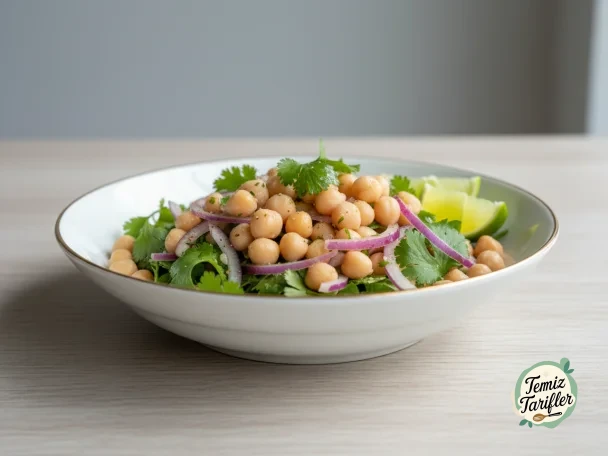
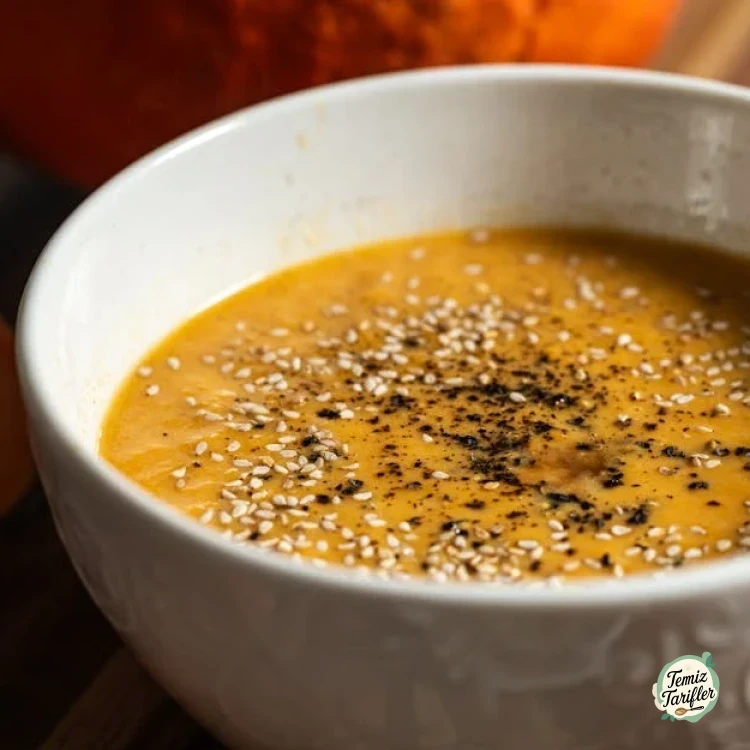
Lentil soup is the most common legume product in Turkish nutrition, and a bowl (250 ml) of cooked lentil soup provides approximately 12-15 grams of protein. When 100 grams of dry lentils are cooked, it becomes about 3 bowls of soup; making it an excellent protein source for breakfast or dinner. The chickpea region (southeastern Turkey), offers a meze made by blending chickpeas with hummus, tahini, and olive oil, which provides 8-10 grams of protein when eaten with a slice of bread (30 grams).

Stewed beans are another classic of the Turkish table. A 150-gram serving of cooked beans (approximately equivalent to 75 grams of dry beans) contains 15 grams of protein, which is sufficient as the main protein source of a meal. Broad beans are consumed fresh in the spring; a handful of cooked broad beans (50 grams) provides 3.80 grams of protein and, along with a glass of ayran (200 ml, 3.2 grams of protein), provides more than 7 grams of protein at breakfast. Peas are available canned or frozen and are eaten sprinkled over rice pilaf; a cup (160 grams) of cooked peas provides 8.64 grams of protein.

Frequently Asked Questions

How many grams of protein are in 100 grams of dry lentils?

100 grams of dry lentils contain 25.80 grams of protein. This is the highest protein ratio within the legume group. During cooking, lentils absorb water and their volume increases by approximately 2.5 times; therefore, 40 grams of dry lentils become about a 100-gram cooked portion and contain 10.32 grams of protein.

It is worth noting that an adult with a daily protein requirement of 56 grams can meet 36% of their daily need with a single meal by starting the day with 200 grams of cooked lentil soup (approximately 20 grams of protein). Lentils also provide 60 grams of carbohydrates for long-lasting energy and contain only 1.10 grams of fat, making them a diet-friendly option.

Which is more protein-rich, chickpeas or lentils?

Lentils are more protein-rich than chickpeas; 100 grams of dry lentils contain 25.80 grams of protein, while chickpeas have 19.30 grams of protein. The difference is 6.50 grams, which means lentils contain 34% more protein. However, chickpeas contain 6 grams of fat compared to lentils' 1.10 grams, making chickpeas more filling.

From a nutritional perspective, it is recommended to use both; lentils are ideal for daily consumption due to their quick cooking time (20-25 minutes), while chickpeas provide variety with their thicker texture in dishes like rice, salads, and appetizers. In a weekly meal plan, consuming lentil soup for three days and chickpea dishes for two days maximizes legume variety and nutritional balance.

How many grams of protein does cooked broad beans contain?

100 grams of cooked broad beans contain 7.60 grams of protein. This is significantly lower than legumes like chickpeas and lentils, as cooked broad beans are considered a fresh vegetable and have a high water content (approximately 76%). Broad beans cooked fresh in the spring provide 15.20 grams of protein in a bowl (200 grams).

The low-calorie content of broad beans (110 kcal per 100 grams) makes them suitable for a light dinner. Broad beans sautéed with onions or cooked with olive oil, served with a glass of yogurt drink (3.2 grams of protein) and two slices of bread (4 grams of protein), create a balanced meal containing 24.8 grams of protein. The high fiber content (average 6 grams/100 grams) supports digestive health.

What is the protein difference between peas and broad beans?

Broad beans are more protein-rich than peas; 100 grams of cooked broad beans contain 7.60 grams of protein, while cooked peas contain 5.40 grams of protein. The difference is 2.20 grams, meaning broad beans provide 41% more protein. Both are in the cooked vegetable category with low calories and high fiber content.

Practically, when consumed with a slice of bread (50 grams, 4 grams of protein) and 200 grams of cooked broad beans, it provides 19.2 grams of protein, while the same amount of peas provides 14.2 grams of protein. In Turkish cuisine, broad beans are used in the spring, while frozen peas are used in the summer. Despite their low protein density, these vegetables are recommended to be consumed with a source of carbohydrates (grains, bread) as they provide beneficial fiber for the digestive system.

Does the protein content change when dried lentils and chickpeas are cooked?

The protein content of legumes does not change (in grams) during cooking, but the protein-to-water ratio decreases because the portion size and density change. 100 grams of dried lentils contain 25.80 grams of protein; when cooked, they absorb about 2.5 times their weight in water and become 250 grams of cooked lentils. This means that these 250 grams of cooked lentils still contain 25.80 grams of protein, but only 10.32 grams of protein per 100 grams of cooked lentils.

In nutritional practice, portioning is done based on cooked weight, so this difference is important. For example, a person with a daily protein requirement of 56 grams can consume 150 grams of cooked lentils (15.48 grams of protein) or 250 grams of cooked chickpeas (12.13 grams of protein). WHO and USDA nutrition guidelines recommend portioning legumes by cooked weight; they define a typical portion as half a cup (100 grams cooked).

Are legumes sufficient to meet daily protein needs?

Legumes alone are not sufficient to meet daily protein needs; an adult's requirement is approximately 56 grams per day (for 70 kg), and legumes can meet 50-80% of this need, with the remainder coming from other protein sources. For example, 150 grams of cooked lentils provide 15.48 grams of protein, covering 28% of the daily requirement. When 100 grams of chicken, 200 ml of milk, and two slices of cheese are consumed on the same day, the total protein requirement can be met.

For those following vegan and vegetarian diets, legumes are combined with grains (rice, bulgur, wheat) and dairy products (if available) to meet daily needs. For instance, 200 grams of cooked chickpeas (24.26 grams), one cup of bulgur pilaf (6 grams), one bowl of yogurt (6 grams), and two slices of cheese (10 grams) together provide 46.26 grams of protein, which covers 83% for a 70-kilogram adult. Nutritionists view legumes as a fundamental element of a dietary plan but recommend them not as the sole protein source, but within a variety.

Other Protein Sources