




Everything You Need to Know About the Soy & Plant-Based Protein
Soy and Plant-Based Protein Sources: Complete Protein in Vegan Nutrition
100 grams of plant-based protein powder contains 75 grams of protein, making it the highest protein source in vegan nutrition. Proteins derived from plant sources such as tofu, tempeh, edamame, soy mince, soy milk, seitan, quinoa, and buckwheat can offer a complete amino acid profile as an alternative to animal products. Especially soy and seitan contain all essential amino acids, while grains like quinoa and buckwheat create a complete protein effect when combined with other plant proteins.
As vegan and vegetarian diets become increasingly popular in Turkey, these protein sources play an important role both in terms of health and sustainability. A handful of tempeh (approximately 50 grams) can meet 20% of your daily protein needs. When soy milk is used as a substitute for milk at breakfast, seitan is grilled as a meat alternative, or edamame is consumed as an appetizer, you can easily support your dietary regimen.
Comparison of Plant-Based Protein Sources: What Are They Good For?
Soy and plant-based protein products have different protein densities and nutritional profiles. The table below shows the nutritional values offered by each protein source per 100 grams:
| Protein Source | Protein (g) | Calories (kcal) | Carbohydrates (g) | Fat (g) | Usage |
|---|---|---|---|---|---|
| Plant-Based Protein Powder | 75.00 | 375.00 | 8.00 | 5.00 | Protein shake, smoothie |
| Seitan | 75.00 | 370.00 | 14.00 | 1.90 | Meat alternative, grilling |
| Textured Soy Protein (Dry) | 52.00 | 330.00 | 30.00 | 1.20 | Taco, patties, stuffed dishes |
| Tempeh | 20.30 | 192.00 | 7.60 | 10.80 | Frying, gardener's salad |
| Tofu | 17.30 | 144.00 | 2.80 | 8.70 | In soups, spreads, marinating |
| Edamame (Boiled) | 11.90 | 121.00 | 8.90 | 5.20 | Appetizer, salad topping |
| Quinoa (Cooked) | 4.40 | 120.00 | 21.30 | 1.90 | Rice substitute, salad |
| Buckwheat (Cooked) | 3.40 | 92.00 | 19.90 | 0.60 | Kasha, grain bowl |
| Soy Milk | 3.30 | 54.00 | 6.30 | 1.80 | Milk substitute drink, coffee |
If you are looking for high protein and low calories, seitan and plant-based protein powder are ideal choices. For a more balanced option, you can opt for tempeh or tofu. Combining these sources is the most effective way to increase daily dietary variety. For example, someone who eats edamame as an appetizer at lunch can have seitan grill for dinner and drink soy milk the next day.
Ensuring Complete Protein in a Vegan Diet: Amino Acid Balance
Complete protein contains the nine essential amino acids that the human body cannot produce. Soy and seitan provide all these amino acids on their own, while other plant-based sources create a complete protein effect when combined. For example, when you eat a bowl of quinoa (cooked) with a handful of peanuts, the missing amino acids are completed.
In Turkish cuisine, it is easy to practice these combinations. While drinking soy milk at breakfast, you can add a slice of whole wheat bread or raisins to get complete protein. Adding soy mince to lentil soup at lunch strengthens the protein composition. At dinner, when tofu or tempeh is served with rice or bulgur pilaf, your body receives all essential amino acids. A person weighing 70 kilograms needs 56 grams of protein per day; 150 grams of seitan meets approximately 200% of this need, demonstrating the power of plant-based proteins.
WHO and nutrition organizations support the combination of plant and animal proteins. It is important for vegans to diversify these sources to also prevent micro mineral deficiencies.
Cooking and Storage of Soy and Plant-Based Protein Products
The cooking method of plant-based protein sources directly affects their nutritional value and taste. While seitan and soy mince are sold in their dry forms, the nutritional density changes during reconstitution (soaking); cooked seitan still contains 75 grams of protein per 100 grams. Tempeh and tofu, on the other hand, are sold fresh and adapt to various cooking methods.
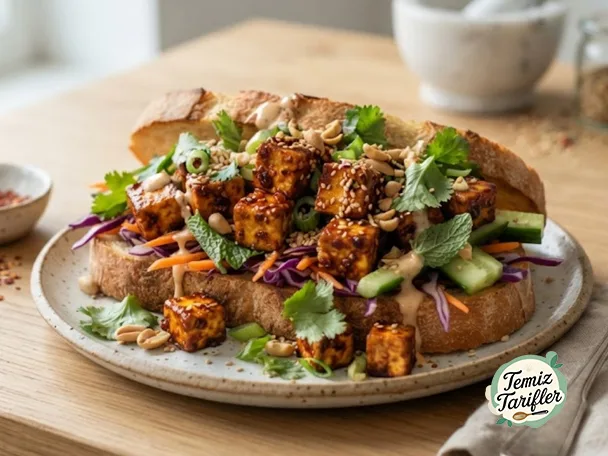
Tofu can be fried after being well-drained, added to soup, or served in a cold salad. When you fry a 200-gram piece of tofu in olive oil in a pan, you get 35 grams of protein, which is more than half of your meal's protein requirement. Tempeh, due to its firmer texture, is suitable for marinating; after being left in a mixture of olive oil, vinegar, and spices for a few hours, grilled tempeh becomes a delicious side dish.
Soy mince is softened by soaking in hot water or broth for 10 minutes and can then be shaped into meatballs with onion, garlic, and tomato. Edamame is boiled in salt and water and served cold as an appetizer. Plant-based protein powder should be stored at room temperature in non-humid places; once opened, it lasts 2-3 months in an airtight container. Seitan and tempeh can be stored in the refrigerator for 5-7 days and in the freezer for 3 months.