







Skip to content

Search

KYT

Nuts & Seeds: Protein Values per 100 Grams

Almonds, walnuts, hazelnuts, peanuts, cashews, pistachios, pumpkin seeds, sunflower seeds, sesame seeds, chia seeds, flax seeds, tahini, peanut butter. Source of protein and healthy fats. Assigned to recipes where they are the main component; for 1 teaspoon sprinkled on top, ASSIGN.

Nuts & Seeds: Protein Values per 100 Grams
All values are given for 100 grams of cooked/ready-to-eat portions. Source: TÜBER 2022 and USDA FoodData Central.
Food Protein Calories Carbohydrates Fat
1Peanut Butter 25,1 g 588 kcal 20 g 50,4 g
2Flax Seeds 18,3 g 534 kcal 28,9 g 42,2 g
3Sesame Seeds 17,7 g 573 kcal 23,4 g 49,7 g
4Tahini 17 g 595 kcal 21,2 g 53,8 g
5Chia Seeds 16,5 g 486 kcal 42,1 g 30,7 g

Recipes Containing Nuts & Seeds

Everything You Need to Know About the Nuts & Seeds

Nuts and Seeds: The Best Source of Protein and Healthy Fats

100 grams of peanut butter contains 25.10 grams of protein, making it the member with the highest protein content in the nuts and seeds group. Natural sources such as almonds, walnuts, hazelnuts, peanuts, cashews, pistachios, pumpkin seeds, sunflower seeds, sesame seeds, chia seeds, flaxseeds, and tahini are the first choice of both nutritionists and those who lead an active lifestyle.

This group of foods not only provides protein but also contains critical micronutrients such as omega-3 fatty acids, vitamin E, magnesium, and zinc. In Turkish cuisine, these foods can be added to everything from breakfast to evening snacks, soups, salads, or appetizers, and they are not quickly digested by the body, providing long-lasting satiety. WHO and nutrition organizations recommend that 10-35% of daily calorie intake should come from protein; nuts and seeds help meet this goal in a natural and nutritious way.

Protein Content Comparison: Which Nuts and Seeds Support You?

The protein content in the nuts and seeds group shows significant differences among foods. The table below shows the protein values and calorie content per 100 grams:

Food NameProtein (g)Calories (kcal)Fat (g)Carbohydrates (g)
Peanut Butter25.1058850.4020.00
Sesame17.7057349.7023.40
Tahini17.0059553.8021.20
Flaxseed18.3053442.2028.90
Chia Seeds16.5048630.7042.10

The daily protein requirement for a 70-kilogram adult is calculated to be approximately 56 grams (0.8 grams of protein per kilogram of body weight). For example, if you spread two tablespoons (30 grams) of peanut butter on two slices of whole wheat bread for breakfast, you will get about 7.5 grams of protein. This gives similar results to 40 grams of sesame or tahini in the same portion. If you are working out and your daily protein requirement is between 70-100 grams, distributing nuts and seeds in breakfast, snacks, and lunch recipes is quite effective.

Practical Ways to Use Nuts and Seeds in Turkish Cuisine

Nuts and seeds are an integral part of Turkish cuisine and can be easily integrated into the diet plans of individuals who need protein. Breakfast is the most suitable starting point: accompanied by fresh white cheese and tomatoes, a handful of cashews or pistachios will add approximately 8-10 grams of protein at the start of the day. Alternatives include a bowl of yogurt containing two tablespoons of tahini (this combination provides more than 20 grams of protein) or peanut butter on a slice of plain bread.

In soups and appetizers, sesame and flax seeds play an important role. Small additions like hummus (a mixture of peanuts and sesame), 1 teaspoon of sesame sprinkled on red lentil soup (about 1.8 grams of protein), or 1 teaspoon of sunflower seeds sprinkled on a bagel (1.5-2 grams of protein) provide hidden but significant contributions to the daily total protein. For lunch and dinner, adding cashews to lentil or bulgur pilaf, or serving grilled chicken breast with a sauce prepared with hazelnut butter increases protein intake.

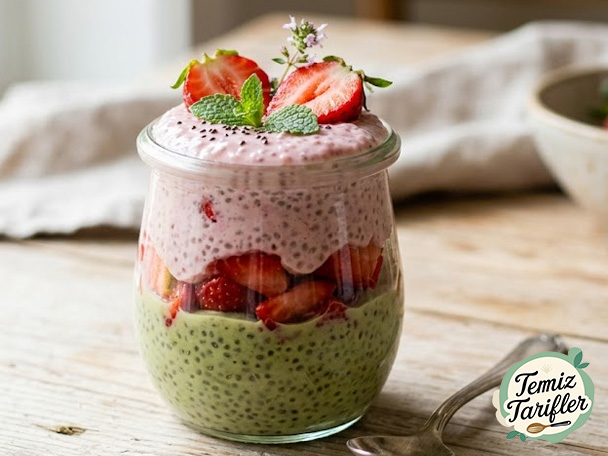
For snacks and in-between meals, a handful of almonds (approximately 30 grams, 8 grams of protein) or walnuts (30 grams, 7 grams of protein) are ideal choices. Chia seeds, in the form of pudding (150 grams of yogurt + 2 tablespoons of chia = 25+ grams of protein) or added to desserts and smoothies, achieve high protein and high fiber content.

Health Benefits: What Does It Offer Beyond Protein?

Nuts and seeds hold a value far beyond just being a simple protein source. Their healthy fat profile is the most notable feature of these foods: 100 grams of sesame contains 49.70 grams of fat, and nearly all of these fats are monounsaturated and polyunsaturated fatty acids. Flaxseed, the richest source of omega-3 fatty acids (42.20 grams of fat per 100 grams), supports cardiovascular health and helps reduce inflammatory responses.

In terms of minerals and vitamins, this group is quite rich. Magnesium (for muscle and nerve functions), zinc (for immunity and wound healing), vitamin E (antioxidant protection), B vitamin complex (energy metabolism), and calcium are particularly high in sesame and tahini. The high dietary fiber content (for example, a significant portion of the 42.10 grams of carbohydrates in chia seeds is fiber) supports digestive health and blood sugar control, which reduces the risk of type 2 diabetes.

The TUBER (Turkey Nutrition Guide) 2022 update recommends a daily intake of 25-30 grams of hazelnuts, almonds, walnuts, or similar foods. For a person weighing 70 kilograms, this amount provides 4-5 grams of protein and 160-180 calories daily, while scientific research shows that regular consumption of this amount reduces LDL cholesterol and decreases the risk of cardiovascular disease by 20%.

Frequently Asked Questions

How many grams of protein are in 100 grams of peanut butter?

There are 25.10 grams of protein in 100 grams of peanut butter. This is the highest protein concentration in the nuts and seeds group and is almost double that of the same amount of egg white (13 grams).

If you use two tablespoons of peanut butter (about 30 grams) in a breakfast, this means you get 7.5 grams of protein. Considering the daily protein requirement of a 70-kilogram adult is 56 grams, this single breakfast portion meets 13% of it. For those who exercise regularly (daily protein requirement of 70-100 grams), peanut butter is a practical option that can be used alongside or instead of meat.

Which is more protein-rich, chia seeds or flax seeds?

Flax seeds are more protein-rich: they contain 18.30 grams of protein per 100 grams, while chia seeds contain 16.50 grams of protein. The difference is 1.8 grams of protein, with flax seeds providing 11% more protein in percentage terms.

However, making a food choice based solely on protein content would be incomplete. Flax seeds are much stronger in omega-3s and contain 42.20 grams of total fat per 100 grams, whereas chia seeds contain 30.70 grams of fat. On the other hand, chia seeds are a higher fiber source with 42.10 grams of carbohydrates (mostly fiber) and raise blood sugar levels less rapidly. Depending on personal preference, nutritional goals, and digestive capability, you can use both in rotation.

How many grams of protein are in tahini and hummus made from tahini?

100 grams of tahini contains 17.00 grams of protein. A homemade hummus recipe typically consists of 1 cup of boiled chickpeas (240 grams, approximately 28 grams of protein), 3-4 tablespoons of tahini (60 grams, approximately 10 grams of protein), lemon juice, and spices; which provides a total of 35-40 grams of protein.

Eating a bowl of hummus (200 grams) means you get about 30 grams of protein. Hummus, served as a meze on a Turkish table, is a compact, satisfying, and protein-rich snack when eaten with raw vegetables (carrots, tomatoes, cucumber) and whole wheat bread. You would get 54% of the daily protein requirement of a 70-kilogram person in a single serving of a single ingredient.

How many grams of protein does a palmful of almonds, walnuts, or hazelnuts provide daily?

A palmful of nuts (approximately 30 grams) provides an average of 5-8 grams of protein. Almonds and hazelnuts are slightly higher in protein, while walnuts have a bit less; however, all are in the range of 10-17 grams of protein per 100 grams.

If you consume a handful (totaling 60 grams) of almonds or pistachios as a daily snack in the morning and afternoon, it means you are getting an extra 10-14 grams of protein. This meets 18-25% of the daily requirement of 56 grams for a 70-kilogram adult. It is an ideal additional source for brain function, immunity, and muscle repair, and does not create an extra calorie burden when consumed in the right portion.

Which food is richer in sesame and flaxseed?

Flaxseed is much richer in omega-3 fatty acid (ALA); sesame, on the other hand, is more advantageous in terms of calcium and sesamin (antioxidant). Although the protein content in sesame (17.70 grams) is only 0.6 grams less than flaxseed (18.30 grams), the calorie density of sesame (573 kcal) is in the middle between tahini (595 kcal) and flaxseed (534 kcal).

In Turkish cuisine, hummus containing tahini is more common, but sesame is also frequently used by sprinkling it on soups, breads, and salads. 1 teaspoon of sesame (10 grams) contains 1.8 grams of protein, 1 milligram of calcium, and antioxidants. Flaxseed, like chia seeds, should be consumed mixed in pudding, smoothies, or yogurt and clearly plays a leading role in omega-3. Using both in rotation on different days of the week provides nutritional variety.

Does chia seed have high calorie content, does it cause weight gain?

Chia seed is one of the lowest calorie sources among nuts and seeds: it contains 486 kcal per 100 grams. For example, tahini contains 595 kcal and sesame seeds contain 573 kcal, while chia seed has 100-110 kcal less. Weight gain depends on the balance of total daily calorie intake and expenditure rather than food choice.

Chia seed also contains 42.10 grams of carbohydrates per 100 grams, but most of this is made up of dietary fiber, which helps control blood sugar. When 2 tablespoons of chia (30 grams) are mixed into yogurt, it provides approximately 145 kcal, 5 grams of protein, and 12.6 grams of fiber, giving a long-lasting feeling of fullness. For those seeking weight control, chia seed can be a preferable option due to its lower calorie density compared to other types of nuts.

Other Protein Sources