Everything You Need to Know About the Chicken & Turkey
Chicken and Turkey: The Highest Protein Source
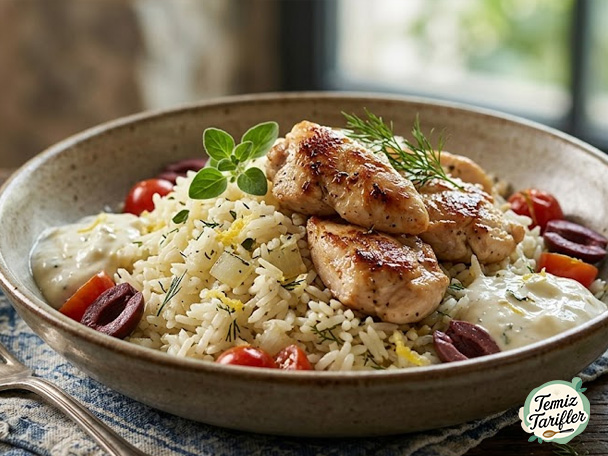
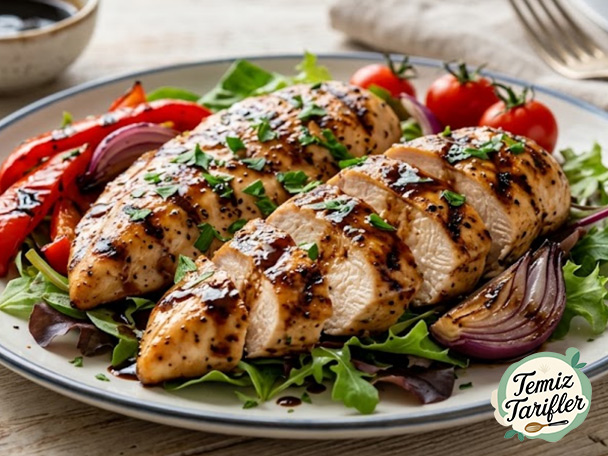
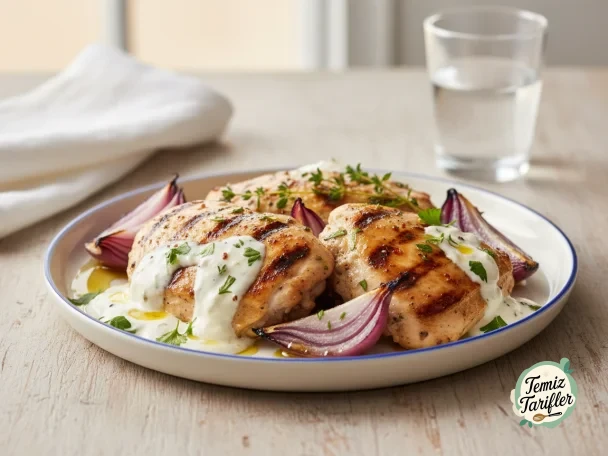
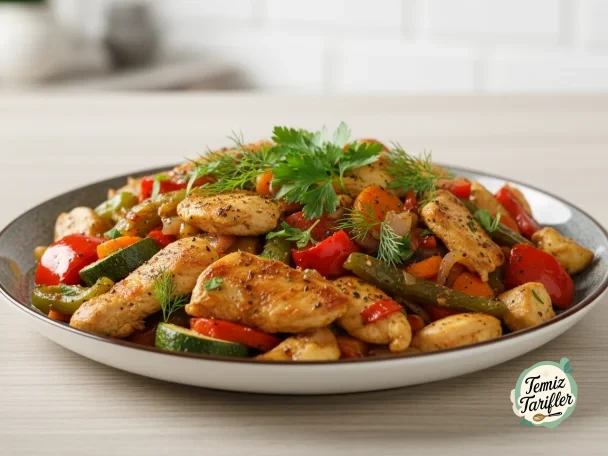
100 grams of turkey thigh contains 20 grams of protein, making it one of the highest among animal protein sources. Chicken breast, chicken thigh, chicken wings, and turkey breast are similarly options that provide pure, lean protein. These white meats are rare foods in Turkish dietary culture that can maintain their quality when the cooking method is changed.
Chicken and turkey stand out not only for their protein content but also for their amino acid profile. Since they contain all nine essential amino acids, they provide every building block your body needs for muscle repair and building. For those who prefer organs like chicken liver, there are additional nutritional advantages such as B vitamins and iron, along with 16.90 grams of protein per 100 grams.
When calculating daily protein needs, 1.6-2.0 grams of protein per kilogram of body weight is recommended (according to WHO data). For a 70-kilogram adult, this means 112-140 grams of protein per day. A single 150-gram portion of chicken breast can meet a large part of this requirement.
Nutritional Values: Detailed Comparison
The nutritional profile of chicken and turkey products varies depending on the cooking method and the cut region. The table below shows the values per 100 grams for the most commonly consumed options:
| Nutrient | Protein (g) | Calories (kcal) | Fat (g) | Carbohydrate (g) |
|---|---|---|---|---|
| Turkey Thigh | 20.00 | 144.00 | 7.00 | 0.00 |
| Chicken Liver | 16.90 | 119.00 | 4.80 | 0.70 |
As can be seen from the table, turkey thigh is denser in both protein and calories. When you consume 200 grams of turkey thigh (for example, a palm-sized red part), you get 40 grams of protein and 288 calories. This is a zero-carbohydrate option and does not cause issues in blood sugar management.
Chicken liver, on the other hand, offers a lower-calorie alternative. In the same 200 gram portion, there are 33.8 grams of protein and 238 calories. In Turkish cuisine, chicken liver is consumed as a delicacy, and it is an ideal option especially when served with fresh greens on a breakfast plate.
How to Consume Chicken and Turkey: Practical Tips
Getting the most out of chicken and turkey proteins depends on the cooking method. Heating does not denature protein structure, but some fats may melt. Baking at 200 degrees for 25-30 minutes or frying with little oil preserves both flavor and nutrients. Chicken broth added to soup is considered 'trace amounts' and does not meet the criteria for this group; instead, recipes containing only chicken/turkey meat as the main protein source should be preferred.
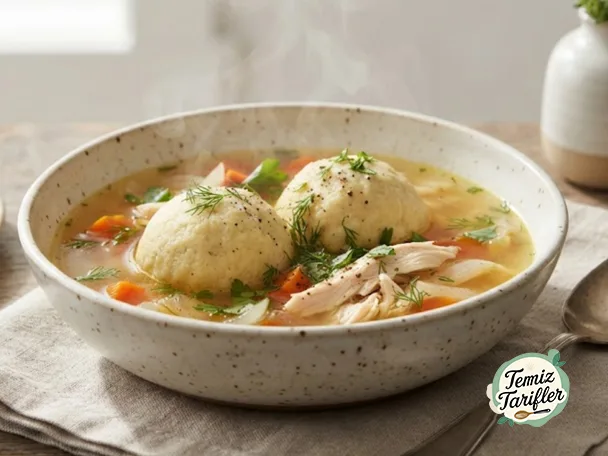
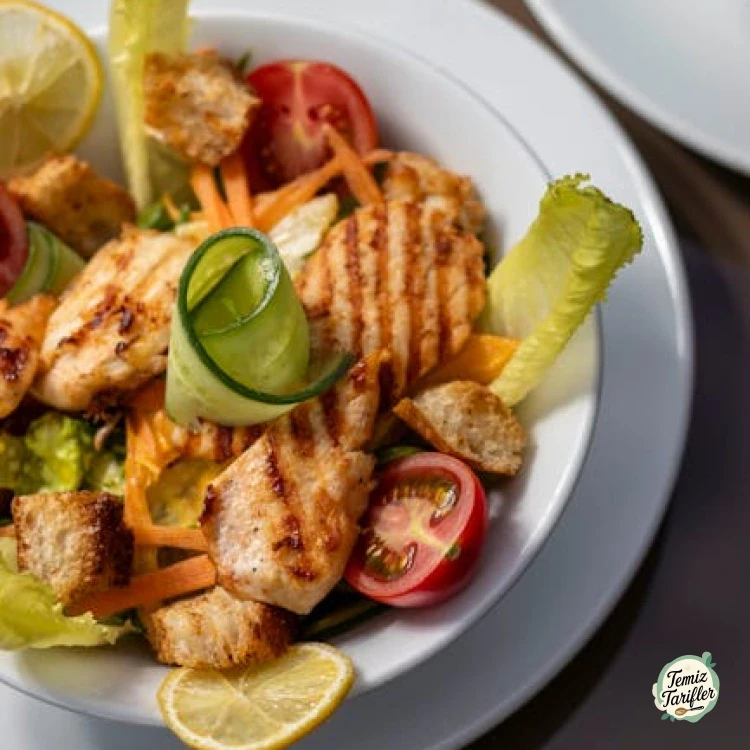
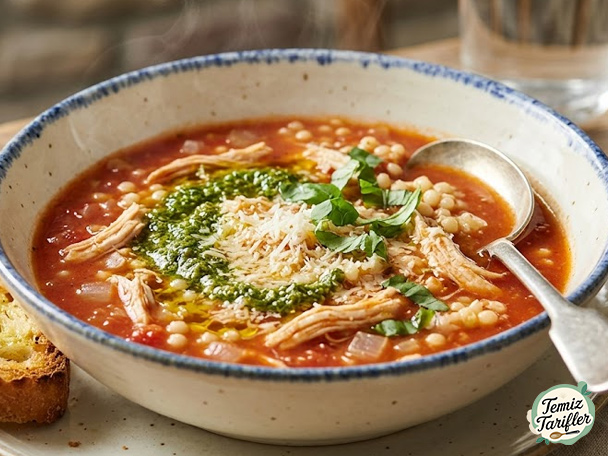
In Turkish cuisine, the use of chicken and turkey is abundant. When using chicken breast or thigh for chicken soup, approximately 150 grams per bowl, you gain around 30 grams of protein per soup. Chicken cooked in a stew or grilled can be served in slices (each slice approximately 30 grams). For breakfast, when two pieces of sautéed chicken liver (totaling 100 grams) are combined with white cheese, tomatoes, and cucumbers, you meet the morning's protein needs while staying at just 119 calories.
A simple rule for portioning: the size of your palm corresponds to 30-40 grams of cooked chicken/turkey meat. Consuming two palms (60-80 grams) at lunch or four palms (120-160 grams) at dinner is a reasonable approach. By consuming chicken or turkey in 3-4 meals a day, you can easily reach your protein targets.
Comparison of Chicken and Turkey as Protein Sources with Other Options
Chicken and turkey contain less saturated fat compared to red meat; this is important for heart health. Turkey thigh contains 7 grams of fat per 100 grams, while the same amount of beef can contain 15-20 grams of fat. Chicken liver, with 4.80 grams of fat, is among the lowest options. Fish (such as sea bass) provides omega-3 fats, whereas chicken and turkey do not; however, they are more affordable and accessible.
Dairy products (cheese, yogurt) and legumes (lentils, chickpeas) also provide protein but are not as concentrated as chicken/turkey. For example, consuming the same calorie amount of cheese means higher fat and carbohydrate intake. Therefore, for those looking to lose weight or gain muscle, chicken and turkey are the most efficient choices. This is also the reason they are preferred in bodybuilding: high protein, low calorie, zero carbohydrate combination.